Lamp-Wick
The Adventures of PinocchioLamp-Wick is Romeo, the schoolmate Pinocchio loves most: a long, thin boy with a woebegone look, known as the laziest pupil and the biggest mischief-maker in the school. His defining importance is not simply that he shares Pinocchio’s appetite for amusement, but that he turns that appetite into a choice with lasting consequences. As Pinocchio’s closest friend and the companion who leads him toward the Land of Toys, Lamp-Wick becomes central to the story’s contrast between immediate pleasure and the work and study Pinocchio repeatedly means to undertake.
Identity and Introduction
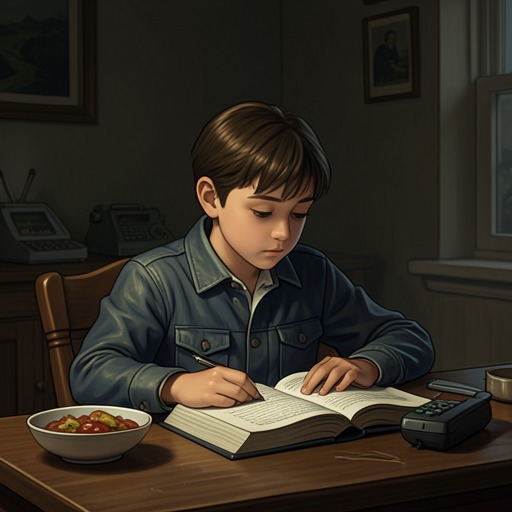
Lamp-Wick’s real name is Romeo, but his familiar nickname reflects his appearance: he is long and thin and looks woebegone. The book gives him two sharply stated school identities. He is the laziest boy in the school and its biggest mischief-maker. Those descriptions make him an unmistakable bad influence in the school’s moral vocabulary, but they do not cancel the genuine affection Pinocchio feels for him. Pinocchio loves him dearly, and among all his friends considers him the one he loves most.
This distinction matters to Lamp-Wick’s role. He is neither a stranger who tempts Pinocchio from outside his circle nor a companion whose importance comes only from a single encounter. He is the friend Pinocchio actively seeks out, invites, praises, and trusts. Their closeness gives Lamp-Wick’s advice unusual force: Pinocchio is not merely persuaded by an attractive destination, but by someone whose friendship he already values.
Friendship and the Missed Party
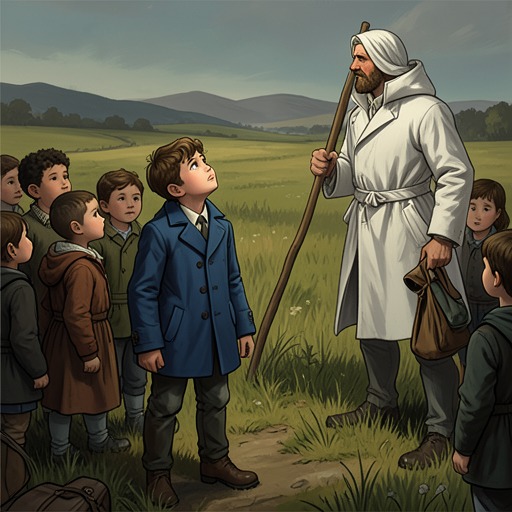
When Pinocchio leaves The Fairy with Azure Hair, he intends to hold a party for his friends before the next day, when he expects to stop being a Marionette and become a boy. He goes straight to Lamp-Wick’s house to invite him, but Lamp-Wick is not there. Pinocchio returns a second time and then a third; each visit fails. The repeated search establishes how important it is to Pinocchio that his closest friend share the occasion.
The reunion redirects the plan. Pinocchio tells Lamp-Wick that the next day he expects to become a boy like his friends, then asks whether Lamp-Wick will come to the party. Lamp-Wick instead tells him about a different destination: the Land of Toys. He presents it as a wonderful country without schools, teachers, or books, where every day except Sunday is like a Saturday and vacation lasts all year. The contrast is pointed. Pinocchio has just been looking toward a new life that entails becoming a boy; Lamp-Wick offers him a place organized around refusing the duties that such a life demands.
Persuasion and Life in the Land of Toys
Pinocchio initially refuses to go with him, but Lamp-Wick urges him to reconsider and predicts that he will regret staying behind. His appeal is practical as well as affectionate: the Land of Toys, he argues, suits them both because it offers freedom from school and study. Lamp-Wick’s influence thus works through their sense of shared identity. He does not merely describe a place Pinocchio might enjoy; he frames their common dislike of lessons as a reason they belong there together.
The result is a reversal of Pinocchio’s intention. Instead of preparing for his party and the expected change from Marionette to boy, he follows the prospect of uninterrupted play. In the Land of Toys, entertainments and parties carry the hours, days, and weeks along. Pinocchio repeatedly tells Lamp-Wick how beautiful this life is. Lamp-Wick answers by taking credit for it: if Pinocchio is happy and free from pencils, books, and school, he says, it is because of his advice and care. He even characterizes himself as a generous person who forgives the teacher for speaking ill of him.
Pinocchio accepts this account warmly. He agrees that he owes his happiness to Lamp-Wick, recalls the teacher’s warning that Lamp-Wick was a bad companion who would lead him astray, and embraces him as a great soul. The exchange gives their friendship a revealing irony: Pinocchio remembers the warning at precisely the moment he is treating its apparent refutation—his happiness—as proof that following Lamp-Wick was wise. The book then marks the duration of their choice: five months pass in play, without either boy seeing a book, desk, or school.
Transformation and Diverging Fates
After those five months, the story announces Pinocchio’s ears becoming like a donkey’s, followed by his transformation into a donkey and his braying. Lamp-Wick undergoes the same bodily change. He and Pinocchio can no longer stand upright; they fall on all fours and run and jump around the room. Their arms turn into legs, their faces lengthen into snouts, their backs grow long gray hair, and tails appear. The transformation turns their chosen escape from school into an alteration of their bodies, ending not in the freedom they imagined but in an animal form they cannot reverse. Instead of cries of grief, they can only bray.
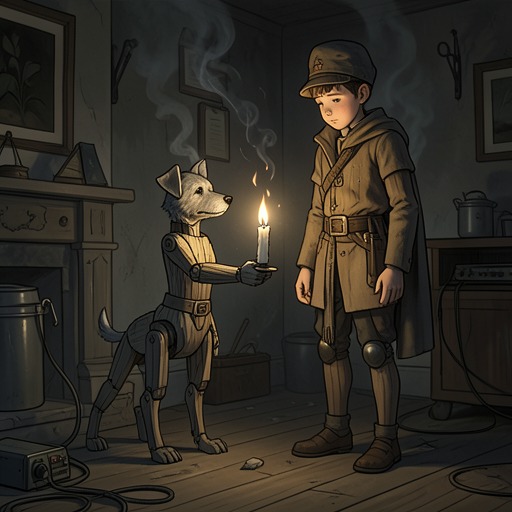
Their later fortunes separate. Pinocchio eventually reaches a performance where he is displayed as the famous donkey called Pinocchio. At the spectacle, he recognizes The Fairy with Azure Hair in the audience by the picture of a Marionette hanging from her gold chain. Lamp-Wick’s later appearance is quieter and more final: Pinocchio is told that a little donkey is lying in a stable, and asks to see him. The animal is on a bed of straw, exhausted by hunger and too much work. Pinocchio studies him and recognizes a familiar face—or, now, a familiar donkey—before asking who he is.
Recognition, Death, and Narrative Significance
The donkey answers that he is Lamp-Wick, then closes his weary, dying eyes and dies. Recognition makes the episode more than a report of a former schoolmate’s fate: the creature in the straw is the friend who once urged Pinocchio away from school and shared five months of play with him. Pinocchio wipes his eyes with straw from the stable floor and tells the farmer that he grieves because Lamp-Wick was his friend and classmate. The farmer measures the loss in money, asking why Pinocchio should feel sorrow for a donkey that cost him nothing; Pinocchio answers instead from the history of their friendship.
Lamp-Wick’s arc binds companionship to consequence. His affection for Pinocchio is real, and Pinocchio’s affection persists after their shared decision has led them to different endings. Yet the story sets that tenderness against Lamp-Wick’s confidence that he is a good friend because he secured a life without study. His fate exposes the distance between the freedom he advertises and the hunger and overwork that ultimately define his last appearance. Pinocchio’s tears do not undo the harm or restore his friend; they show what remains when the carefree alliance that once felt like happiness has run its course.